May 20, 2026
BRI Finance Maintains Cost of Funding (CoF) Amidst Interest Rate Dynamics
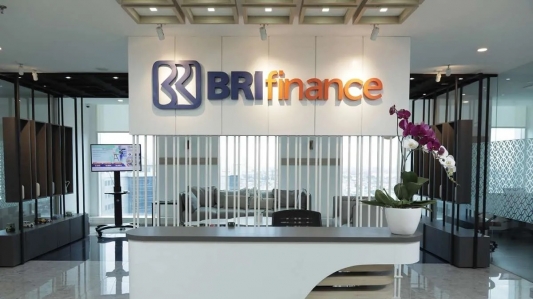
KONTAN.CO.ID – JAKARTA. Amidst the multifinance industry's continued reliance on the banking sector for funding, coupled with rising interest rates and bond yields, PT BRI Multifinance Indonesia (BRI Finance) stated that its cost of funds (CoF) remained manageable in the first quarter of 2026.
For information, the Financial Services Authority (OJK) noted that banking remained the dominant funding source for finance companies as of March 2026, accounting for 73.65%, or IDR 279.74 trillion.
This situation makes the multifinance industry vulnerable to changes in interest rates and increases in bond yields, which can impact funding costs.
BRI Multifinance Indonesia Corporate Secretary Aditia Fakhri Ramadhani stated that BRI Finance's CoF remained at a better level as of the first quarter of 2026 compared to the previous period.
"This is supported by the optimization of the funding structure and the strengthening of funding synergies with the BRI Group," Aditia told Kontan on Monday (May 18, 2026).
As of March 2026, BRI Finance's funding was still dominated by banking, accounting for 56.01% of its total funding, or IDR 2.32 trillion.
This was followed by bonds at 24.22%, or IDR 1 trillion, and joint financing at 19.77%, or IDR 818.7 billion.
Meanwhile, in April 2026, the banking funding portion decreased to 52.72%, or IDR 2.20 trillion.
Bonds accounted for 23.99%, or IDR 1 trillion, and joint financing increased to 23.29%, or IDR 973.9 billion.
"Amidst rising interest rates and rising bond yields, there have been adjustments to our funding strategy," he continued.
BRI Finance is optimizing short-term funding and increasing the portion of joint financing, which is considered to have a more competitive interest rate.
Furthermore, the company is maintaining liquidity efficiency by minimizing idle funds, strengthening collection performance to accelerate cash inflow, and being more selective in determining the timing and tenor of bond issuances according to market conditions.
"With this strategy, we hope to maintain liquidity while supporting financing growth," he said.